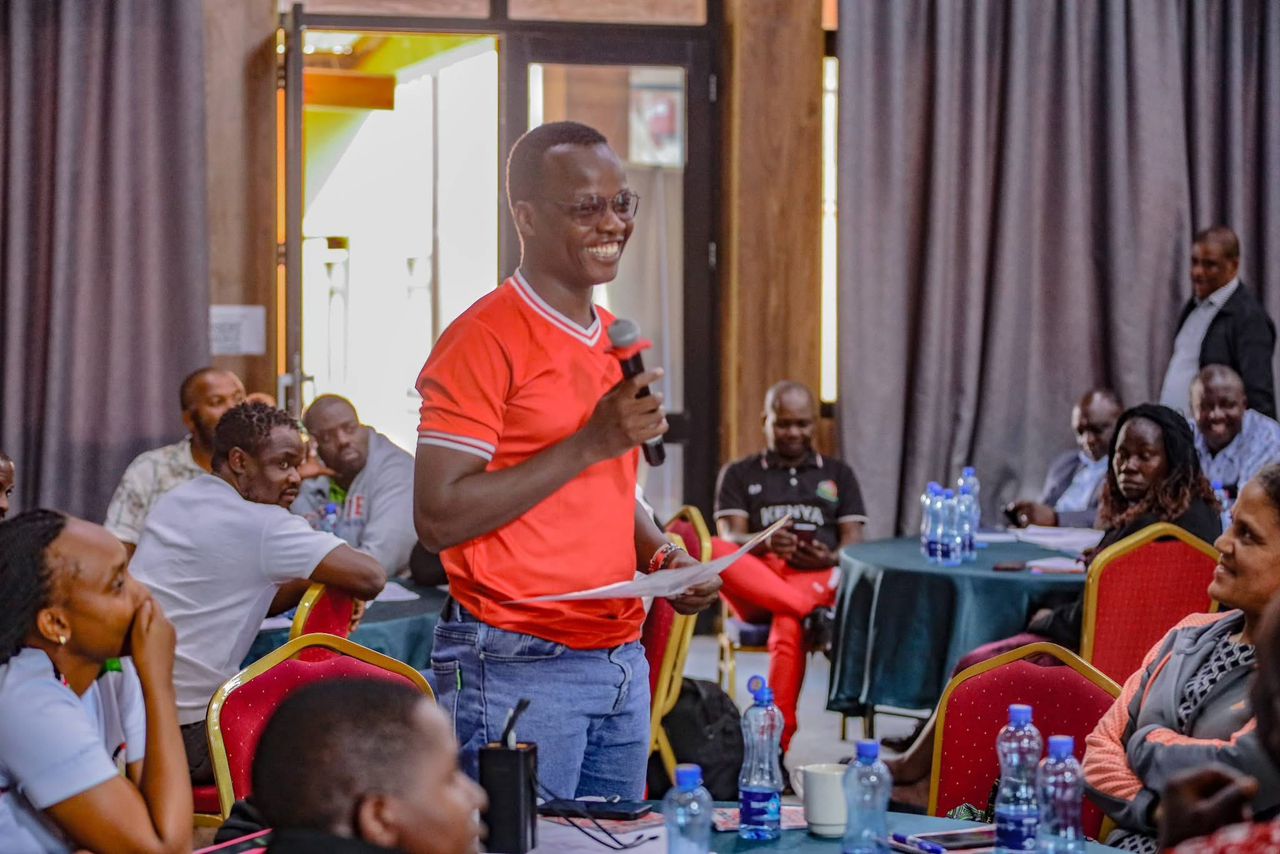
When young people step into leadership early, they learn budgeting, ethics, accountability, and strategic planning. That creates institutions where talent is recognized, opportunities are inclusive, and decisions serve communities for the long term. In short: youth governance turns passion into structure, and structure into lasting impact.
Moving Beyond the Sidelines
For decades, young people have been the lifeblood of community sports as players, fans, and matchday volunteers. Yet, when it comes to the boardroom where rules are written and local budgets are allocated, their voices are rarely heard. True youth governance changes this dynamic. It moves young people from the sidelines directly into active decision-making roles.
When youth are given voting power and administrative responsibility, they inject fresh perspectives into aging systems. They understand contemporary challenges facing modern athletes, from digital safety to mental health pressures. Their presence transforms local sports organizations from rigid hierarchies into dynamic, community-driven institutions.
Traditional Model             Youth Governance Model
-----------------             ----------------------
Adult Leaders                 Intergenerational Decision-Making
(Policy Makers)               (Co-created)
       |                              |
Youth Players                 Inclusive Systems & Lasting Impact
(Participants)
The Executive Toolkit Built on the Field
Stepping into sports management early acts as an accelerated incubator for vital community leadership capabilities. Young administrators do not just learn how to run tournaments; they master highly transferable professional skills:
- Strategic Resource Allocation: Navigating tight club budgets and learning the realities of financial sustainability.
- Ethical Governance: Implementing transparent rules, anti-doping policies, and fair-play standards to protect sporting integrity.
- Inclusive System Design: Structuring leagues so that low-income players, girls, and marginalized communities have equal access.
- Modern Safeguarding: Modernizing clubs using tech tools while enforcing strict safety and data protection guidelines.
Global Blueprints: Real-World Youth Impact
This transformation is not a theoretical ideal. Around the globe, forward-thinking organizations are proving that youth leadership yields stronger institutional results:
- The English FA Youth Council: Leaders aged 16-25 directly influence grassroots football policy and deliver national engagement strategies.
- IOC Young Leaders: Change-makers receive seed support and mentorship to launch sport-focused social enterprises addressing local challenges.
- European Youth Sport Platforms: Young administrators contribute to policy design so funding and priorities reflect real next-generation needs.
Designing Sustainable Institutions
The ultimate value of youth governance lies in long-term vision. While older administrations may prioritize short-term wins, young leaders are inherently invested in tomorrow. They design systems that help talent move from grassroots pathways to professional opportunities.
By prioritizing community well-being over politics, youth governance helps sports remain a force for social cohesion. It turns symbolic involvement into institutional authority.
A New Era for Community Sport
Communities that trust young people with administrative power consistently see stronger transparency, improved athlete retention, and deeper local ownership. By handing the management playbook to the next generation now, we build a more equitable and resilient sporting ecosystem for the future.
Join The Conversation
What should youth-led governance look like in your local sports community?
Share your perspective in the comments and help shape the next chapter of ethical, inclusive, youth-powered sports leadership.